
News

átadástól az értékteremtésig

From handover to value creation: BIM-based operations for investors

Our article explains why operational information requirements should be defined at the very start of a development and how the operational BIM model developed by AFMTEC Services can create long-term value, even when the property is later sold or its operations are outsourced to an external service provider.
Environmental Social governance

The Synergy of BIM and ESG: The Untapped Potential of Data-Driven Sustainability

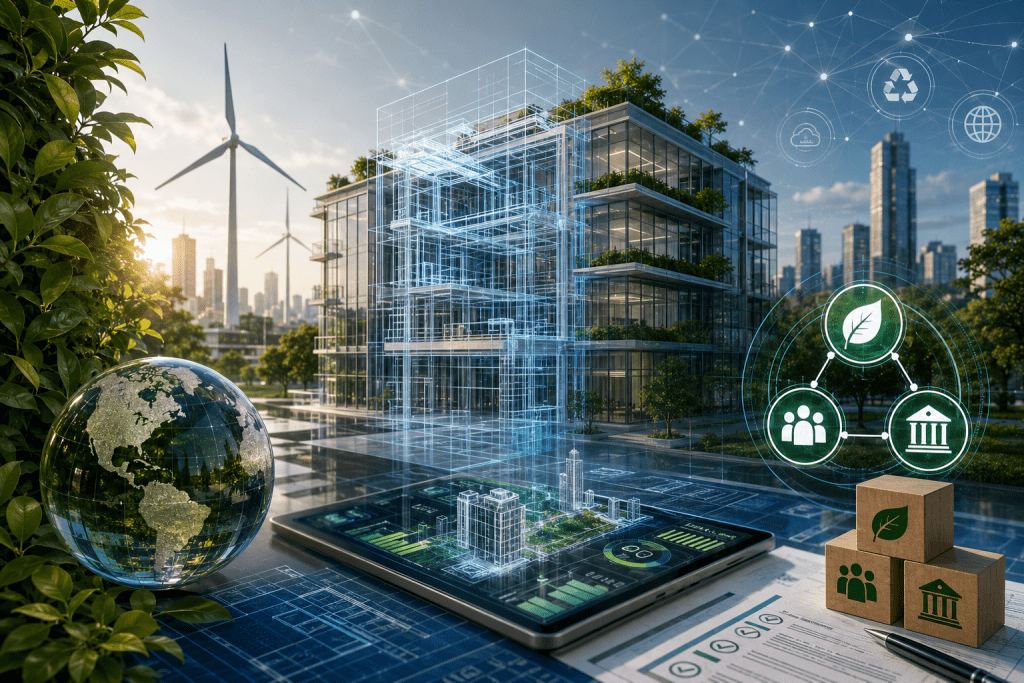
BIM turns ESG ambitions into measurable, auditable action by connecting sustainability goals with reliable building data. From lifecycle carbon analysis and digital material passports to healthier indoor environments and transparent governance, it helps developers, investors and facility owners reduce risk, improve performance and gain long-term competitive advantage.

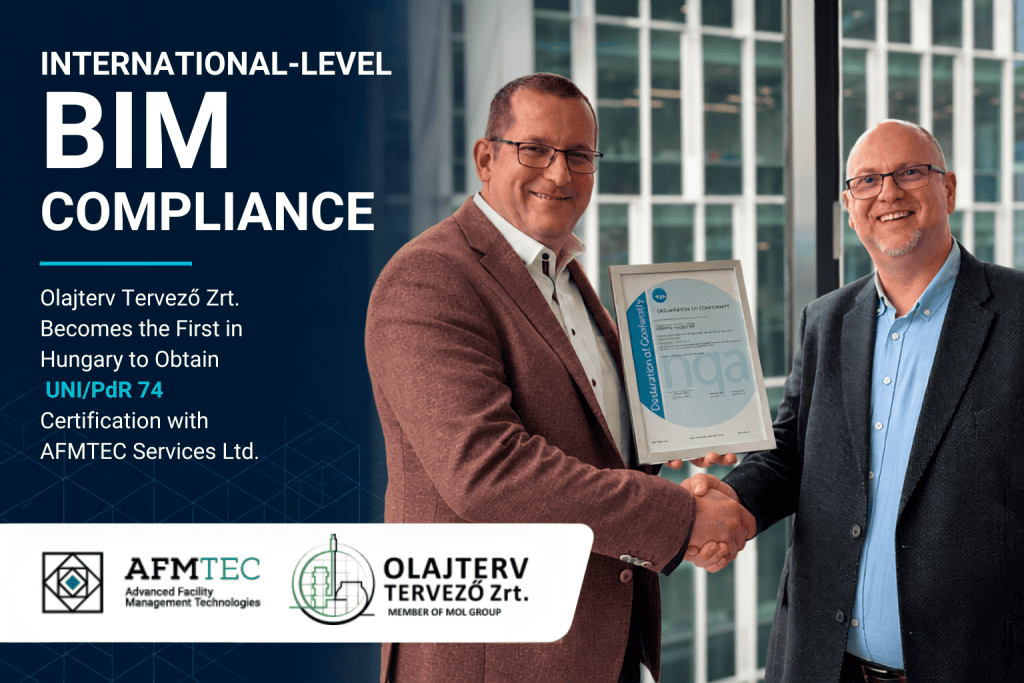
International-Level BIM Compliance: Olajterv Tervező Zrt. Becomes the First in Hungary to Obtain UNI/PdR 74 Certification with AFMTEC Services Ltd.

With the professional guidance and preparation provided by AFMTEC Services Ltd., Olajterv Tervező Zrt. became the first company in Hungary to obtain the BIM management system certification according to the UNI/PdR 74:2019 standard.

This success represents much more than simply acquiring a certificate; it is the result of a complex, organization-wide transformation that ensures the company’s international competitiveness over the long term.

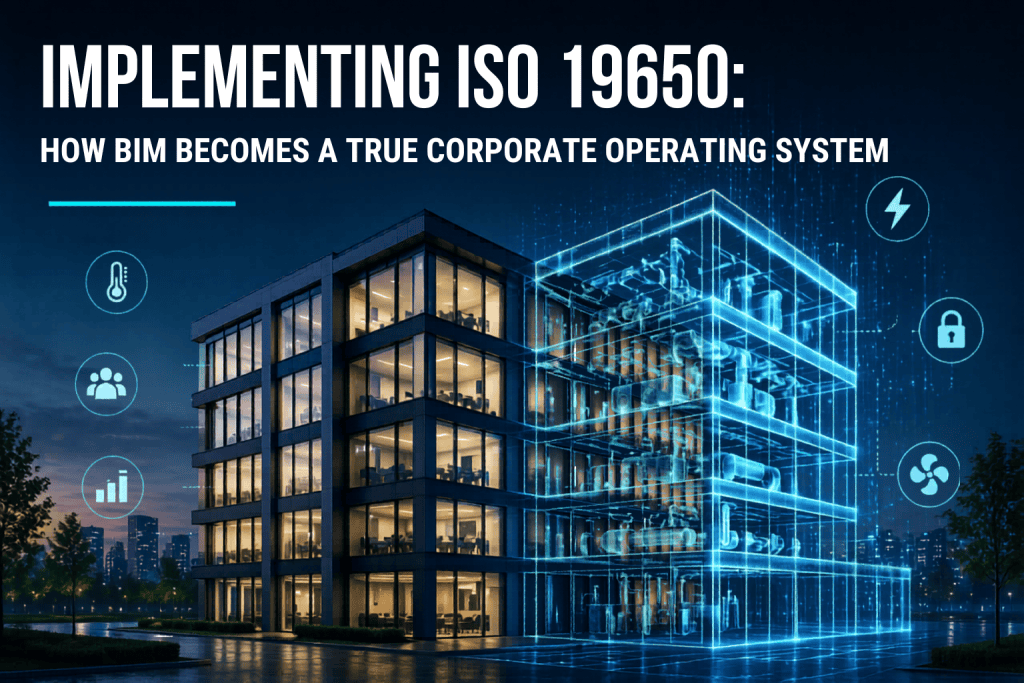
Implementing ISO 19650: How BIM Becomes a True Corporate Operating System

BIM delivers real value only when it is supported by standardized information management, clear processes, and effective collaboration across the entire organization. Discover why ISO 19650 is becoming the foundation of scalable, certifiable BIM operations—and how leading companies are turning BIM into a true business operating system.

The Relationship Between As-Built Models and BIM

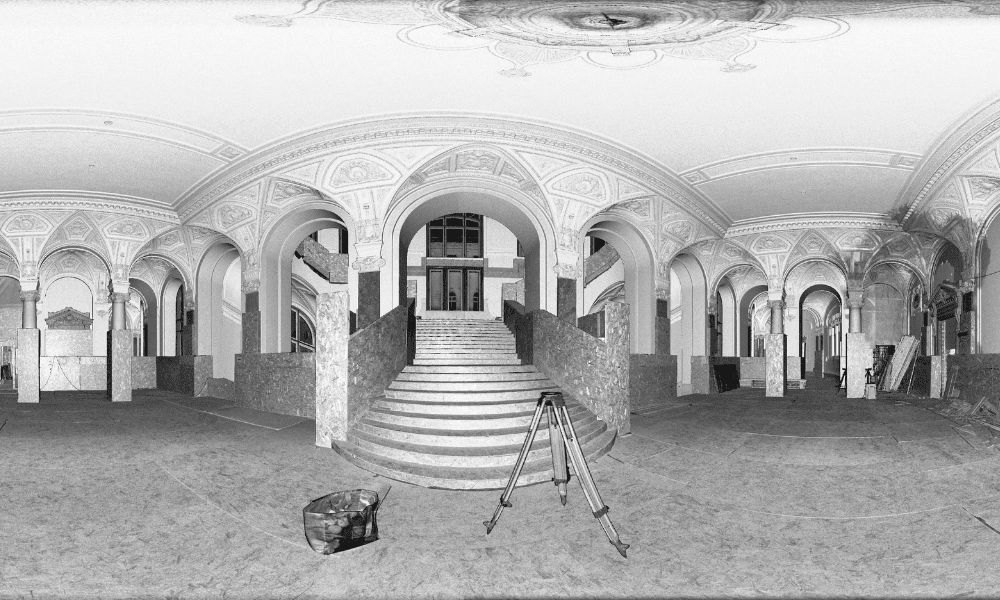
The as-built model records the final state of a construction project and serves as a fundamental document for facility management, maintenance, and potential future renovations. Building Information Modeling (BIM) could assist in creating this from the very first minute, but if that didn’t happen, it can be refined retroactively using laser scanning and digital data collection methods. This article explains why an as-built model is necessary, how BIM relates to it, and what mistakes can be avoided.

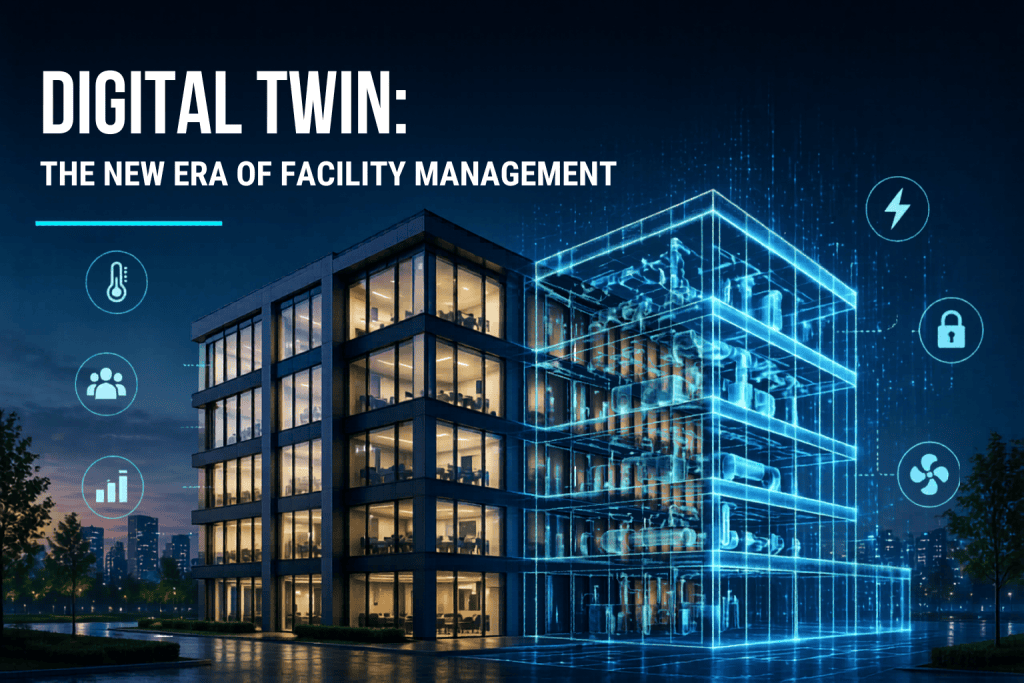
Blogcikk - Digital Twin

Why Digitize Existing Buildings?

The digitalization of the construction industry is no longer essential only for new builds; it is also crucial for the modernization and efficient operation of existing buildings. The application of Building Information Modeling (BIM) and Digital Twin technologies can result in significant cost reductions, more efficient operations, and highly sustainable facility management. Digitizing an existing building offers long-term, high-ROI benefits, as precise data and advanced modeling technologies make design, construction, and operation significantly more efficient.

12.19.cikk geodézia felmérés

Geodetic Surveying: The Foundation and Key to Efficiency in Construction Projects

The essence of geodetic surveying is gathering exact site data, which serves as the basis for creating reliable maps and models. Instead of traditional measurement methods, innovative technologies such as laser scanning, drone surveying, and Ground Penetrating Radar (GPR) are now available. These methods not only enable faster data collection but also guarantee highly accurate results. LIDAR, for example, creates 3D maps with millimeter accuracy, while drones can survey hard-to-reach areas that would be inaccessible using traditional tools.

10.26.cikk. bim modellezés

The Fundamentals of BIM Modeling: The Key to Efficient Construction

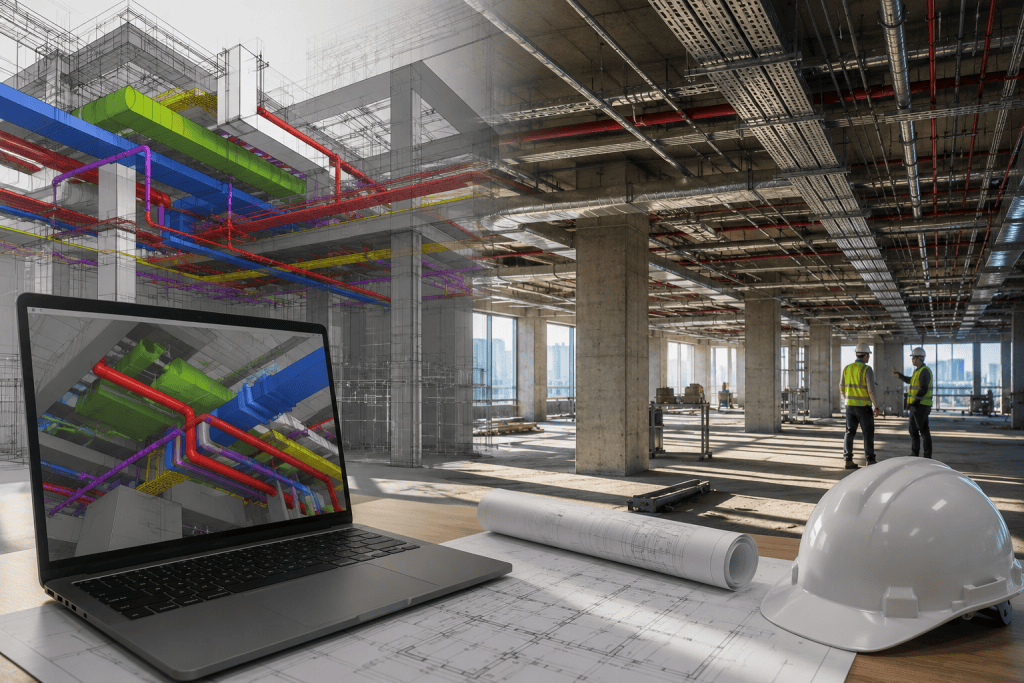
BIM modeling is one of the most important pillars of construction innovation today—BIM is transforming the industry from design and construction right through to facility management. For construction company leaders, procurement officers, and property owners, BIM is not merely modern technology; it is a new framework that drives cost reduction, ensures transparency, and improves sustainability metrics.

10.24.cikk építőipari digitalizáció

Construction Digitalization: The Future Belongs to BIM

Today, construction digitalization is no longer just a trend; it is a mandatory imperative for industry players, without which maintaining competitiveness is impossible. The introduction of modern digital tools and solutions, such as BIM, is revolutionizing design and construction processes, opening new dimensions in efficiency, accuracy, and communication. Construction leaders and investors must be fully aware of the benefits of digitalization and the central role BIM plays in this process.

09.26.cikk_lidar

LIDAR: A New Dimension of Accuracy in the Construction Industry

In the era of digitalization, the construction industry is undergoing revolutionary changes. Modern technologies such as LIDAR (Light Detection and Ranging) are opening up new possibilities, making design and construction processes not only faster and more accurate but also more cost-effective. But what exactly is LIDAR, and why is it indispensable in today’s construction industry?

08.22.cikk. bim ai

BIM and AI: The Role of Artificial Intelligence in Construction

Technology is advancing at a rapid pace in the construction industry, and the adoption of Building Information Modeling (BIM) plays a significant role in this progress. BIM enables the digital representation of construction projects and provides an excellent platform for stakeholders to share information and collaborate in real time. However, with the integration of artificial intelligence (AI), the future of BIM promises to be even brighter.